
The Season of Second Chances
As we wrap up another year at Red Creek Wildlife Center, I keep returning to the simple moments that tell the story of what you make possible. The flash of a fox disappearing into the forest. A hawk rising into the sky with steady, confident wings. A raccoon pausing at the edge of the woods before slipping back into the life it was meant to live. These are the moments that remind us why we do what we do, and every one of them begins with you.
Because of your kindness and support, thousands of wild animals arrived at Red Creek with a chance to recover. Some came to us broken, exhausted, or orphaned. Others were victims of weather, accidents, or simply bad luck. Each entered our doors with a story, and because of you, many left with a future.
This year has been filled with successes, both big and small. From young raccoons learning to climb and forage to fawns racing across the grass at release, your generosity turned their struggles into triumphs. You made it possible for our team to provide medical care, proper diets, safe housing, and the time each animal needed to heal and grow strong again.
Releases are the heart of everything we do. They are the final, beautiful chapter in an animal’s journey through our care. When those doors open and an animal returns to the life it was meant to live, you are part of that moment.
Thank you for believing every life has value. Your support has given so many a second chance, and we are deeply grateful.
With gratitude, ~~Peggy
Finding the Strength to Recover Together
Among the raptors we care for at Red Creek, Cooper’s hawks are some of our most frequent and most challenging patients. Their speed and agility make them remarkable hunters, but those same traits often lead to collisions with windows or vehicles. Once admitted, these high-energy, high-stress birds often refuse food or injure themselves from overactivity, even when their injuries are minor. Because they are accipiters that prey on other birds, and because siblicide is not uncommon in some raptor species, rehabilitators normally house Cooper’s hawks alone for safety.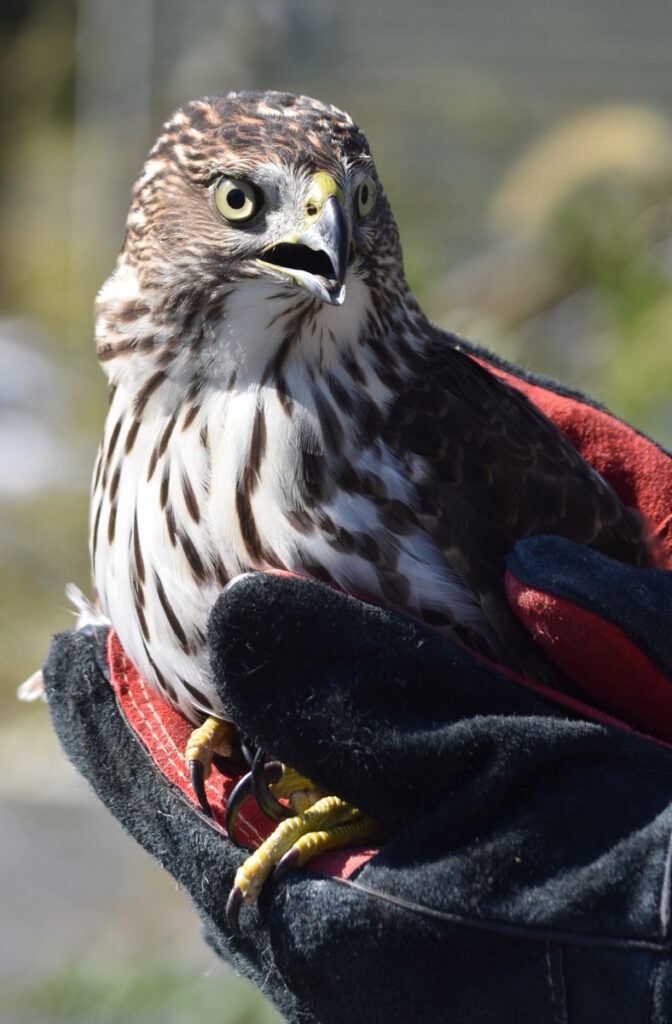
This summer, we saw something extraordinary. Two fledgling Cooper’s hawks from the same nest arrived in mid-July, both thin and failing to thrive. When housed together in our ICU, they began to eat almost immediately. Later that day, another young Cooper’s hawk arrived in similar condition but from a different location. He was underweight, dehydrated, and refused food for two days. With few options left, we introduced him to the siblings. Within hours, he settled beside them and began to eat, clearly comforted by their presence.
The three recovered together and were released as a group. Encouraged by this success, we continued to pair Cooper’s hawks throughout the summer. There was no aggression, only calm cooperation, even among birds that had never met.
By season’s end, nine juvenile Cooper’s hawks returned to the wild using this method. We look forward to building on this promising approach next year.
Soaring Again: A Rare Patient’s Journey Home
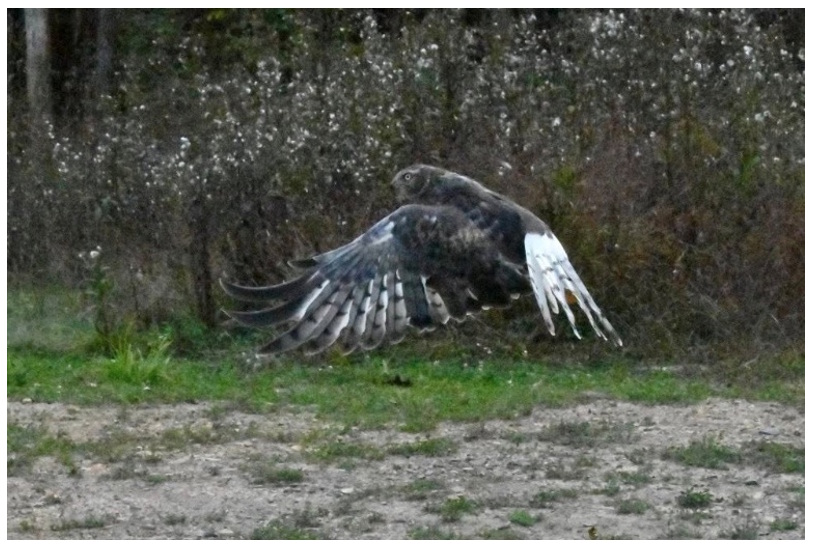
In November 2024, Red Creek Wildlife Center admitted a patient rarely seen in our clinic. Northern harriers are a threatened species in Pennsylvania, and are uncommon, especially outside migration. Admission to rehabilitation centers is even less frequent. When this young raptor arrived, we knew immediately we were looking at a special visitor.
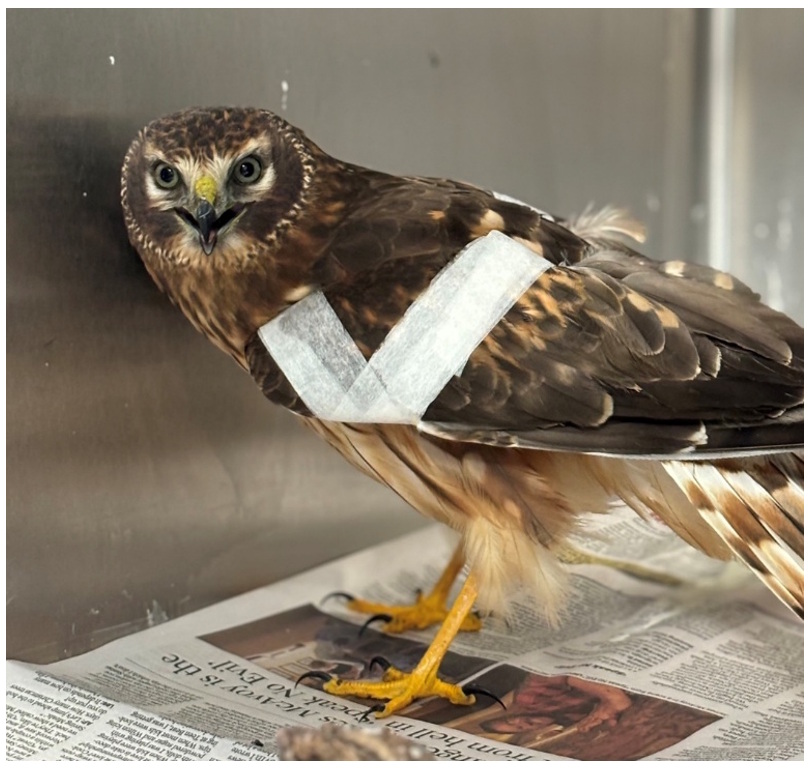 He had been found grounded in a field during a pheasant hunt. Weak, unable to stand, and bleeding, he had no chance of surviving without intervention. Once he had time to destress from transport, we took X-rays to understand the extent of his injuries. The results were heartbreaking. Both wings were fractured, and small metal fragments around the breaks revealed the cause. He had been shot.
We contacted our local Game Warden immediately. An investigation was started while we turned our full focus to his care.
Fortunately, neither wing required surgery. With proper bandaging, pain management, and antibiotics, the fractures began to heal. His landing, however, caused severe damage to his tail feathers. More than half were broken, leaving him unable to fly safely. Feather regrowth can take many months, and in some cases up to a year, so patience became a major part of his treatment plan. Vitamins and specialized care helped him grow new feathers strong enough for release.
Working with a northern harrier gave our team an opportunity to observe the remarkable features and behavior of this species. Harriers are one of the few raptors that rely on both sight and sound to hunt, a trait they share with owls. They fly low over fields with their wings held in a slight V, listening and watching for small mammals and birds. Their dependence on wetlands and grasslands makes them especially vulnerable, as more than half of these habitats have disappeared from Pennsylvania. This loss is a major factor in their threatened status, which is why every individual matters.
As the months passed, our patient regained his strength. His wings healed well, his new tail feathers came in beautifully, and his behavior told us he was ready for freedom. In late September 2025, he returned to the wild, soaring over the same kind of open fields his species has traveled for generations.
His release was a moment of hope and a reminder of why rehabilitation matters. This young harrier overcame tremendous hardship, and his story underscores the importance of protecting both wildlife and the habitats they depend on. Thanks to compassionate people who cared enough to act, he was given a second chance.
Please Donate
A Red Fox’s Hard-Won Return to Freedom
Every once in a while, an animal comes through our doors who stays with us for far longer than we ever expect. This beautiful young red fox was one of them. He arrived in April of 2024 with a stubborn ear infection, weak and uncomfortable, but full of spirit. After weeks of medication and gentle care, his symptoms eased, and his personality bloomed. He was energetic, playful, and quickly made himself at home with two orphaned fox kits who became his companions for the summer.
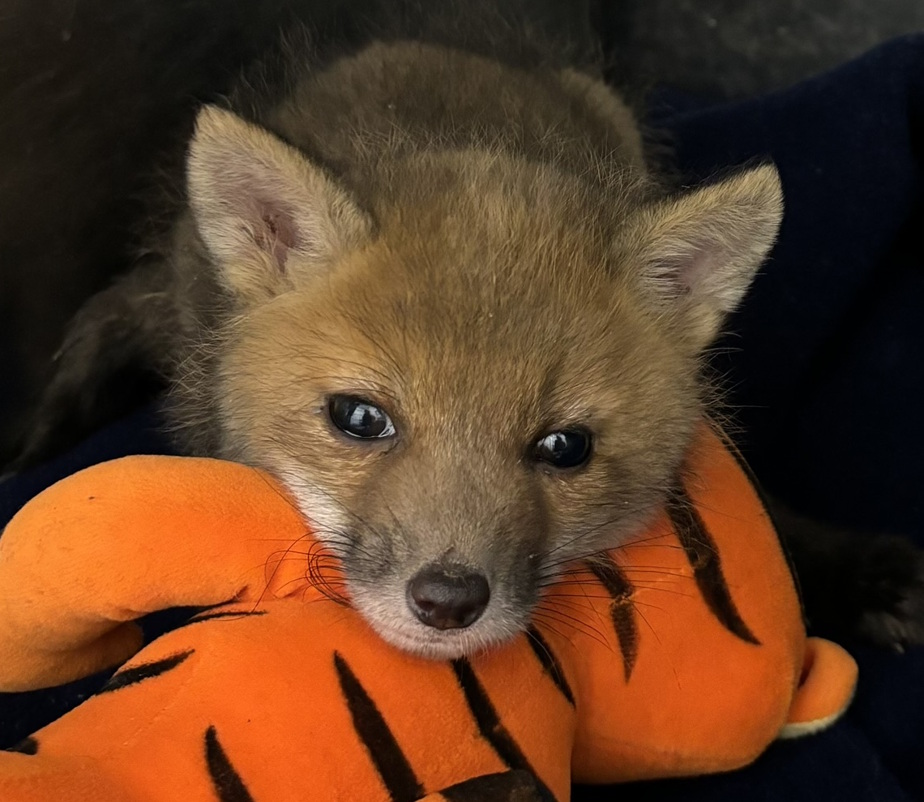 For a time, everything moved in the right direction. He grew, played, learned to pounce on insects in the grass, and was well on his way to a mid-summer release. But once he moved to a larger outdoor enclosure, we noticed troubling signs. He began losing his balance and spinning in circles. A visit to our veterinarian confirmed what we feared. The ear infection had returned, and he needed another long round of treatment.
Anyone who has tried to medicate a clever pet twice a day can imagine the challenge. Now picture an intelligent, fast, and determined fox. The youngster who once ate anything offered suddenly became a master at avoiding his medication. With patience and persistence from our team, and more than a few creative food tricks, he finally completed two full months of treatment. His symptoms resolved again, and we moved him back outside, hopeful for a spring 2025 release.
But only a few days later, the spinning began again. His posture was off. He was restless and disoriented. It was heartbreaking to watch after so much progress. Once again, we consulted our veterinarian. At that point, we had to face the possibility that something more serious was at work. A head injury, a neurological disease, parasites, or a condition he might never recover from.
After extensive diagnostics, we finally had our answer. He was fighting not one, but three different bacterial infections deep within his ear. This time, instead of oral medications, he was prescribed a long-acting ear treatment applied directly into the ear canal. One treatment every two weeks, repeated three times.
Slowly, steadily, he improved. The spinning stopped. His balance returned. His movements became confident and coordinated. When the medication course was finished, we watched him closely for months to ensure the infection did not return. He rewarded our patience by thriving. He ran the length of our largest enclosure with ease, leaping over logs and demonstrating impressive hunting skills.
When the time finally came for his release, every one of us who had cared for him gathered to watch. He took off the moment the door opened, racing through the ferns and vanishing into the forest as though he had been waiting for that moment all along. Healthy, strong, and wild again. His recovery took more than eighteen months and required extensive veterinary visits, specialized medications, and daily hands-on care. Animals like him are costly to rehabilitate, yet each one receives the same commitment because your generosity ensures that we have the supplies, treatments, and resources we need the moment we need them. His return to the wild is a testament not only to his resilience but to the kindness of the people who make this work possible.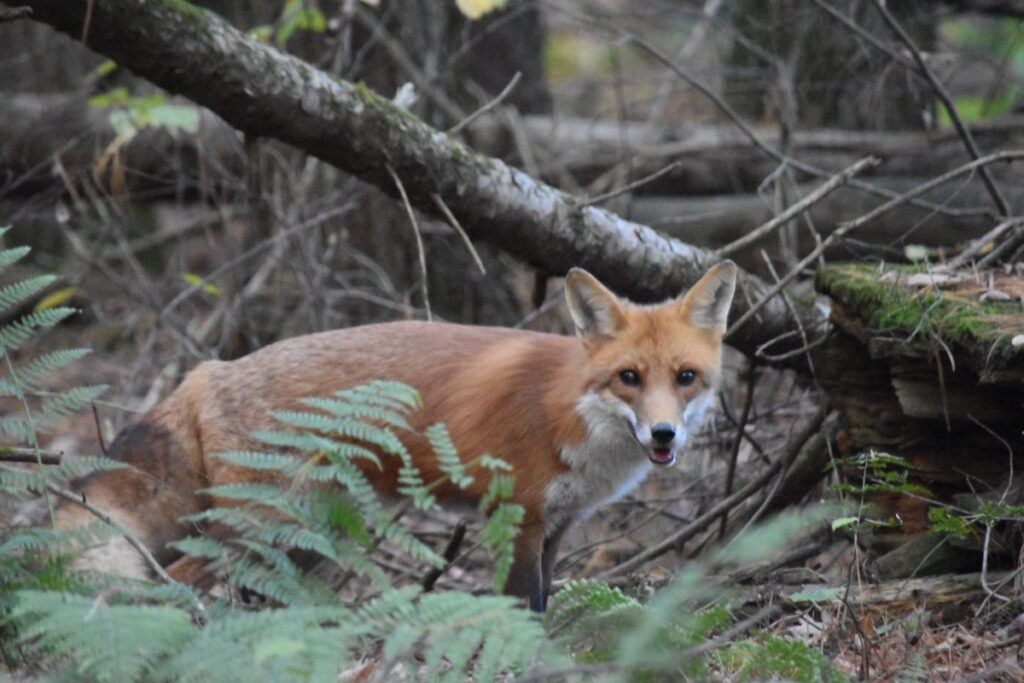
A New Beginning for Red Creek’s Raccoons
We are thrilled to share exciting news that will make a tremendous difference in the care of one of our most frequent patients. Thanks to the generosity of 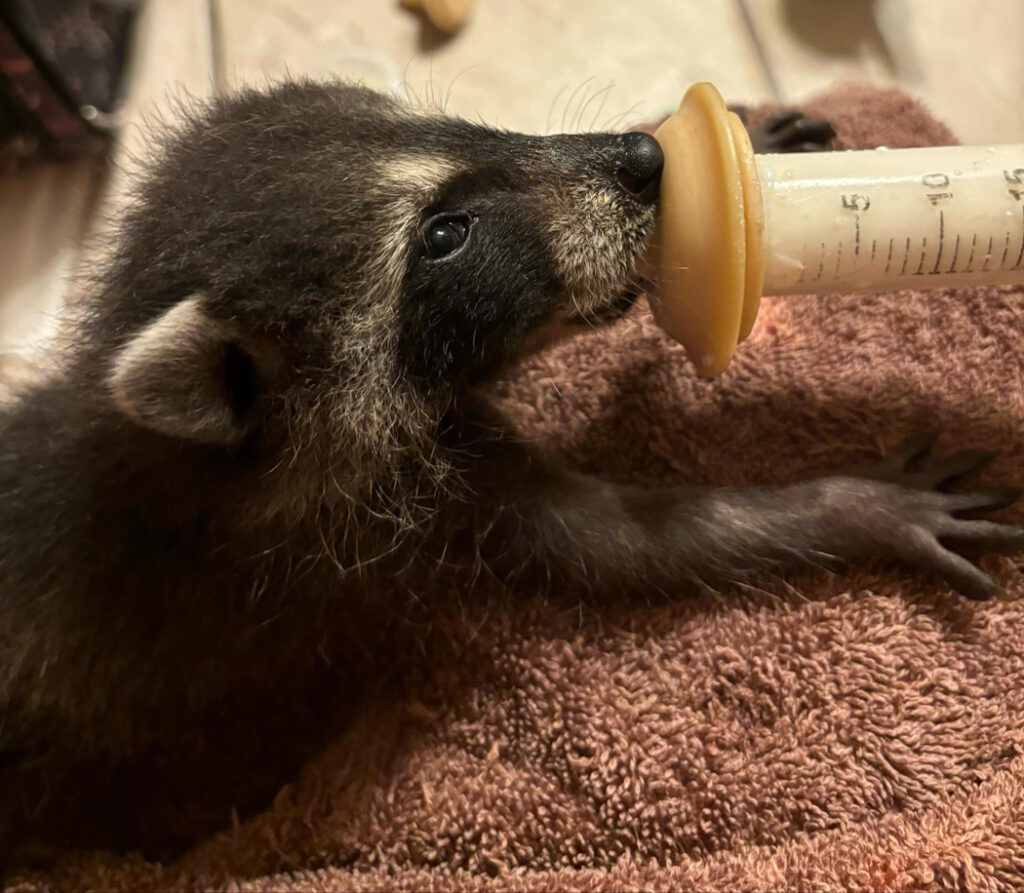 the Constellation Energy Foundation and the Alice Paxton Charitable Trust, we are building a dedicated outdoor pre-release enclosure designed specifically for rehabilitating raccoons. Their support is giving us the opportunity to solve one of our biggest challenges and greatly improve the lives of the animals who depend on us.
Over the last two years, we expanded our medical areas, added quarantine spaces, improved food prep and cleaning flow, and brought in new lab equipment and a modern X-ray system. These upgrades have transformed the care we can offer. But with that growth came a new strain on our outdoor spaces.
In 2024, 231 baby raccoons arrived at Red Creek. Our enlarged nurseries allowed us to care for them in their early stages of life, but once they were old enough to explore the world outdoors, we simply did not have enough room. Raccoons are active, curious animals who need space to climb, stretch, wrestle, and learn the natural skills that prepare them for release. Without adequate outdoor housing, some had to wait longer than ideal before moving to outdoor caging, stretching our resources and delaying their return to the wild. This enclosure will change that.
The two-unit 30×40-foot structure will have sloped concrete flooring that is softened with rubber matting. Half of the roof will remain open with chain link so the young raccoons can feel natural weather, airflow, and the rhythms of day and night. Double-walled walls and two secure vestibules will keep both animals and caregivers safe.
This project means that no raccoon will need to wait for outdoor time again. It means healthier animals, smoother rehabilitation, shorter overall stays, and a better transition back into the wild. It also allows us to overwinter patients who truly need the extra time without overcrowding or sacrificing the needs of others.
Because of this generous support, hundreds of young raccoons every year will have the room they need to grow strong and wild. It also give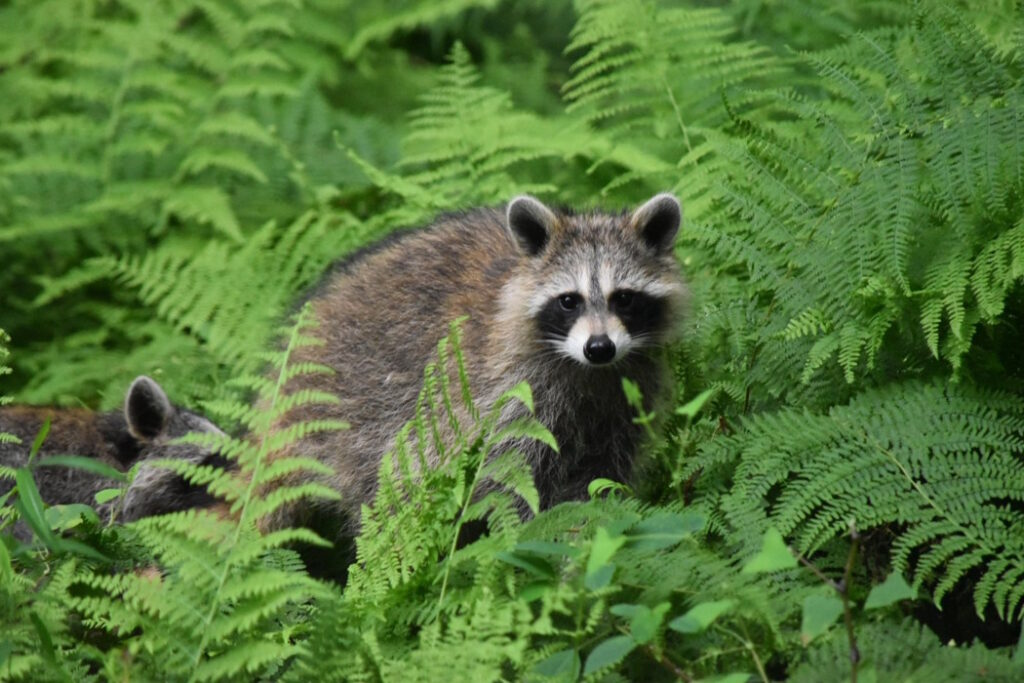 s our team the tools they need to continue offering the highest quality care.
Thanks to the Constellation Energy Foundation and the Alice Paxton Charitable Trust, and to everyone who believes in our mission, we are building a better future for wildlife.
Protecting Pennsylvania’s Black-Crowned Night Herons
For the past four years, we’ve had the privilege of working closely with one of Pennsylvania’s state-endangered species: the black-crowned night heron. Before we became involved, Bird Refuge, a wildlife center in York County, specialized in caring for these remarkable birds and provided expert rehabilitation for herons from across the state. When that center closed, Red Creek stepped forward to continue this important work, taking in injured and orphaned herons that had nowhere else to go.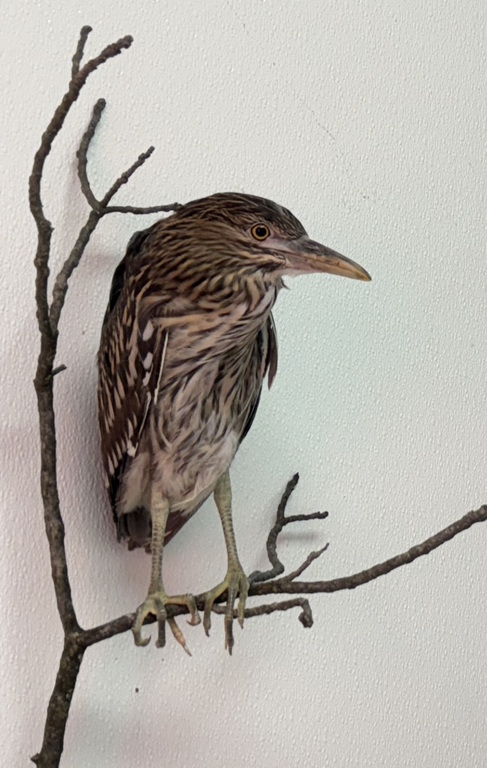
Once considered one of Pennsylvania’s most commonly nesting herons, black-crowned night herons have become increasingly difficult to find outside the state’s southeastern counties—Dauphin, Lancaster, York, and Berks. The loss of wetlands, competition with egrets and other birds for nesting space, and increased predation have all contributed to their steep decline and growing vulnerability.
Most of the herons we admit are very young and have fallen from their nests, which can be built as high as 20 meters off the ground. A fall from that height can be devastating. Some arrive with broken bones or head trauma; others, miraculously unharmed, simply can’t be returned to their nest. Each one requires patience, skill, and a lot of care to give them the best chance at survival.
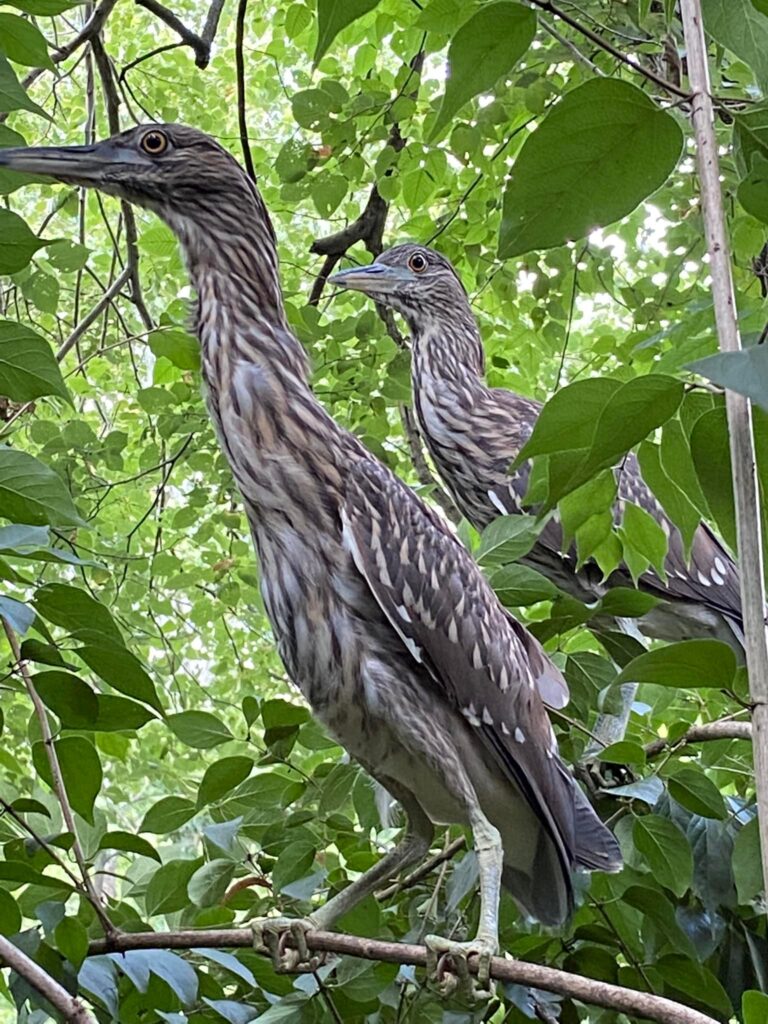
In 2022, 2023, and 2024, we admitted between 10 and 12 young herons each summer. This year, however, only two arrived. For a species already endangered in Pennsylvania, seeing such a sudden drop in admissions was disheartening. And yet, despite the worry, we were grateful for the opportunity to rehabilitate and release both of these young black-crowned night herons back into the wild. They were returned to their home rookery.
Our hope is to play a small but meaningful part in sustaining their fragile population—and that we can continue doing our part, season after season, to help protect these beautiful birds for years to come.
What a Band Can Tell Us: The Story of Bald Eagle Y94
Earlier this year, we treated a bald eagle whose story turned out to be far more remarkable than we first realized. Most animals arrive with no history at all, but this adult female carried a clue to her past: she was banded.
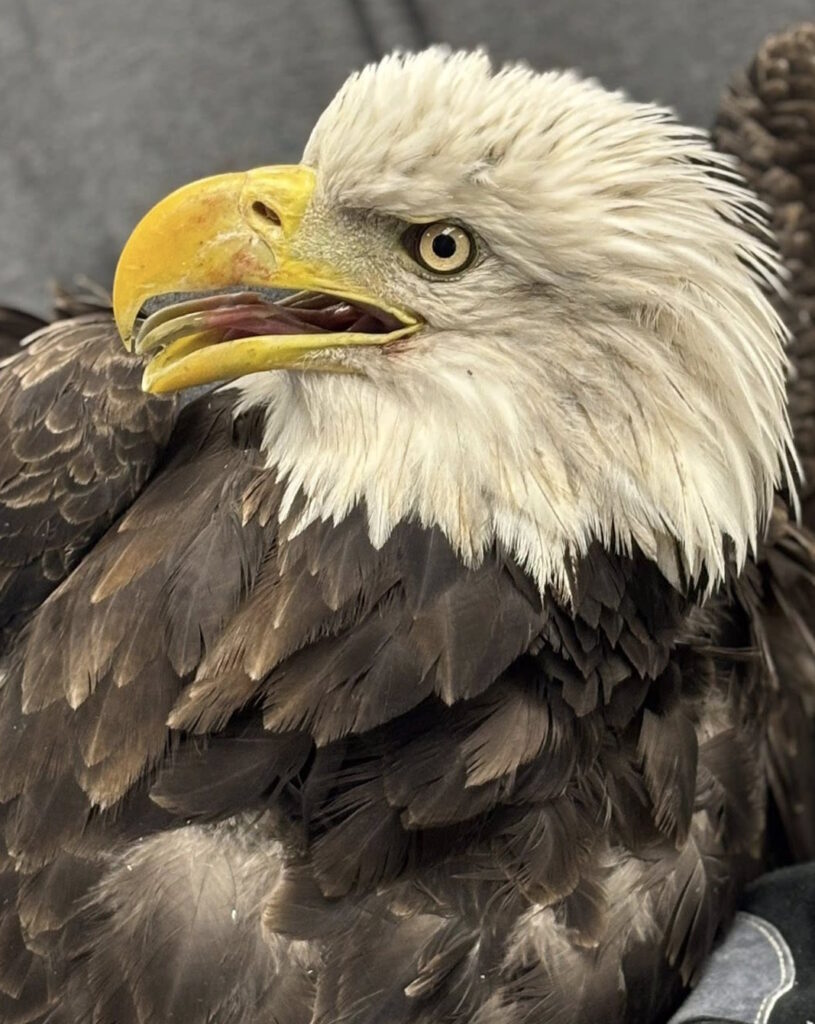 Because she was in full adult plumage, we knew she was at least four and a half years old. With banded birds, however, we can learn much more. When we entered her band number into the national database, the response stunned us. She had hatched in 2004, making her 21 years old. Bald eagles in the wild typically live twenty to thirty years, placing her beautifully within that upper range.
She was originally banded in New York State and was found here in Lebanon County after becoming trapped against a reservoir spillway. After we shared her story online, one of our followers connected us with Peter Nye, former Endangered Species Unit Leader at NYSDEC. He recognized her immediately. She came from a productive Delaware River nest known as New York 20 and was the only chick banded there in 2004. As a large nine-week-old nestling, she had even been fitted with a solar-powered radio transmitter designed to fall off over time.
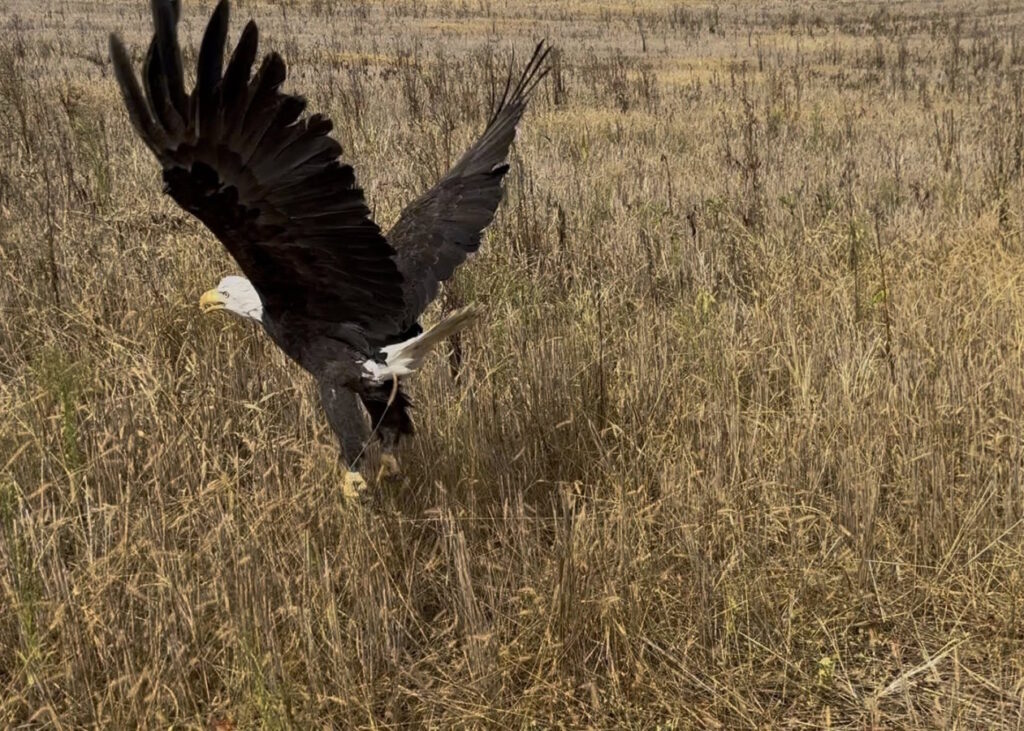
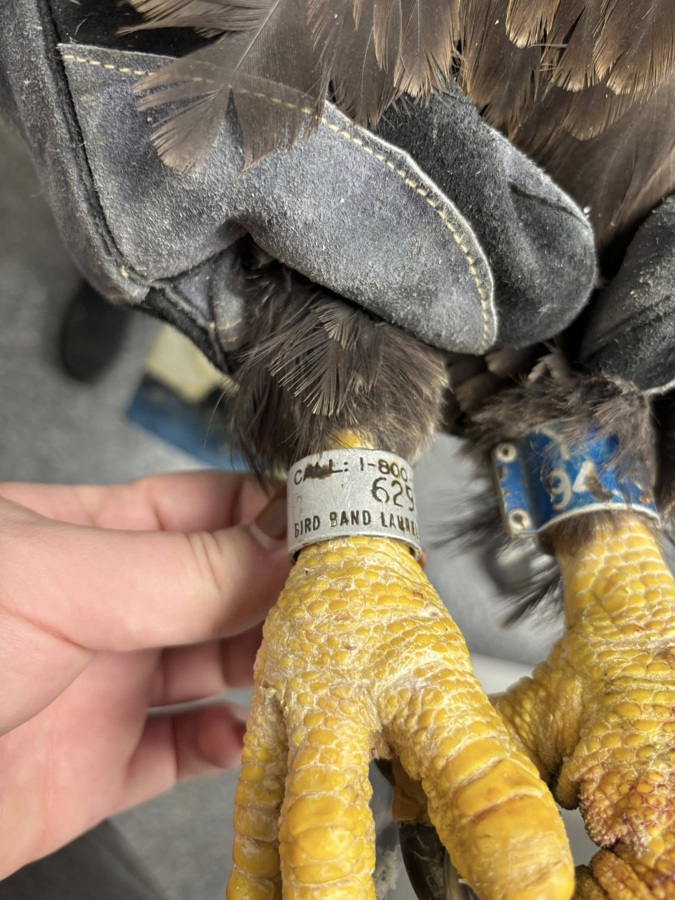 She arrived with clear X-rays, no injuries, and very low lead levels. Less than a week later, she was released back into the wild, strong and confident. Watching a senior eagle take flight after more than two decades of life was a powerful reminder of the resilience of these birds and the value of banding. Her history did not change her treatment, but it allowed us a rare glimpse into a life lived far beyond what we could see and made her brief stay with us feel especially meaningful.